What matters when buying Canon Eos
Camera Types
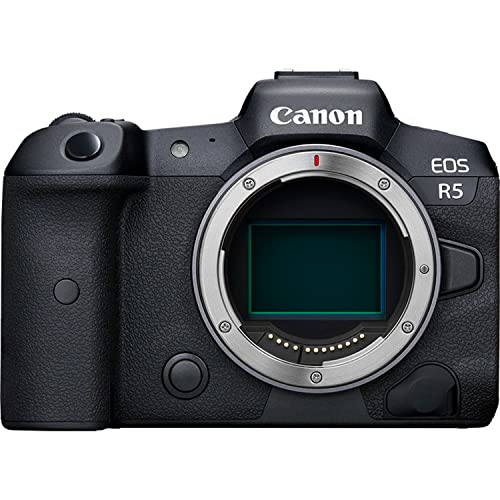
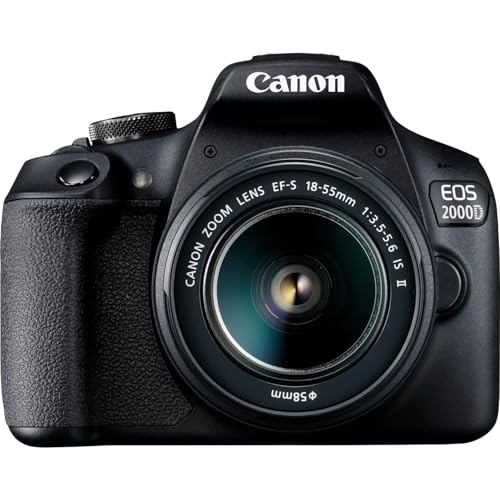
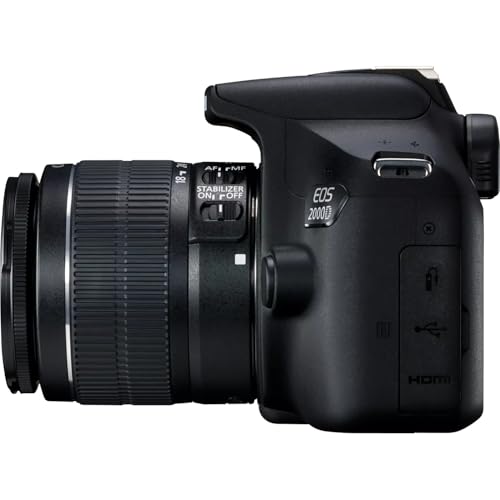
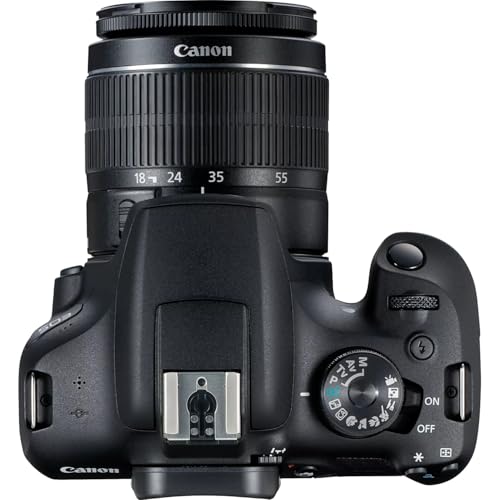
When selecting a Canon EOS camera, it is important to understand the different types available. Canon offers both DSLR and mirrorless cameras within the EOS range. DSLRs, such as the EOS 2000D, typically feature a more traditional design with a reflex mirror mechanism, which allows for an optical viewfinder experience. Mirrorless cameras, on the other hand, such as the EOS R series, are generally more compact and lightweight due to the absence of a mirror. They use electronic viewfinders or LCD screens for composing images, which can provide additional information and real-time exposure previews.
Sensor Size and Image Quality
Sensor size plays a crucial role in determining image quality and performance. Canon EOS cameras come with either APS-C sensors or full-frame sensors. Full-frame sensors, like those in the EOS R series, typically offer better low-light performance, a wider dynamic range, and greater depth of field control. APS-C sensors, found in models like the EOS R100 and R10, can still produce high-quality images but may have limitations in low-light situations. The resolution of the sensor, measured in megapixels, is also a factor, with higher megapixels allowing for larger prints and more detail in images.
Autofocus and Shooting Speed
Autofocus capabilities are essential for achieving sharp images, particularly in fast-moving situations such as sports or wildlife photography. Models equipped with Dual Pixel CMOS AF technology provide fast and accurate focus, which is beneficial for both stills and video. The continuous shooting speed, measured in frames per second (fps), is also important for capturing fast action sequences. Higher fps rates, such as those found in the R7, can be advantageous for photographers who specialise in action and wildlife photography.
Ease of Use and Features
Consideration should be given to the usability of the camera, particularly for beginners. Entry-level models such as the EOS R100 and EOS 2000D are designed with user-friendly interfaces and features that simplify the photography process. More advanced features like 4K video recording, Wi-Fi and Bluetooth connectivity, and touchscreen interfaces can enhance the user experience, particularly for content creators and vloggers. The inclusion of compatible lenses and accessories also affects versatility and usability, making it important to consider the system as a whole when making a choice.
Footnotes
* Terms such as "best" and similar expressions reflect our personal assessment.
** Prices and availability may have changed since they were last retrieved. The price shown by the seller at the time of purchase applies.
Further important information
We may receive a commission if you make a purchase via the links on our site. This has no impact on the placement of the products on our site. Our website is part of amazon associates program - Amazon, Amazon Prime, the Amazon Logo and Amazon Prime Logo are registered trademarks of Amazon, Inc. or its affiliates. Disclaimer:
- The price shown may have increased since our last update.
- The sale takes place at the price stated by the seller at the time of purchase.
- Updating prices in real time is not technically possible.